Tag: best product photography

Business portrait photography Tips – Fix The Retouch

Business portrait photography Tips – Fix The Retouch

Business corporations need photos of their pupils for different purposes. These photos get published on the company website, annual report, various magazines and newspapers. It helps the people to relate the people with the brand name. So the quality of these photos needs to be addressed. With a view to having the best quality photos the company appoints skill photographers to shoot business portrait photos. That why the idea of a business portrait came and became a profitable niche in photography. Many professional photographers are striving to become a corporate headshot photographer. This particular article is about some of the basics that will help you accelerate your career as a corporate headshot photographer.

Business portrait photography Tips

Selecting Location

One of the first things that you should consider in business portrait photography is the place of shooting. You have to look for a place where there is enough light. However do not shoot in harsh sunny areas. Extreme sunlight makes the face look rough. It is better if you can find a place where there is soft light. If you are shooting indoors then ask an office member to help find the best place. The subject should feel comfortable in that place as well.

Get Acquainted with the Subject

To make the subject comfortable in front of the camera you have to build a good relationship with them. Especially the new corporate officers do not feel comfortable in front of the camera. As they are new in the office they have a shy feeling to stand in front of a camera. So go and talk to them like a friend. Tell them how you are going to do it step by step. Instruct them and tell them to stay confident. This rapport will give you a better result. Always remember your photos will look better if your subject looks comfortable, okay and relaxed in front of the camera.

How to Fix An Exposure

Once you get the subject standstill on the ground find the right exposure. It may take you a little time. You may need to zoom in to get the right exposure. You must keep the focus on the face. In a corporate headshot photography shooting you have to get the best look on the face. There should not be any extra bright things around the subject. Otherwise it will grab the focus of the viewers. 

Work with Camera Settings

The one thing that you have to make sure is correct is the camera setting. Even before the shooting starts you have to check the camera settings. Keep shutter speed at 1/100. If you are going without a tripod then make sure you set the vibration control or image stabilization. Some cameras have this technology by default. In portrait photography the background should look a little blurry. Besides this you also have to keep your camera aperture right. Let me tell you one thing. A wide aperture gives an in-focus face and out-focus background. On the other hand a narrow aperture gives an in focus background and out focus face.

Get Up Close

Close shots are best for business portraits. Because the main focus is to shoot the face. To get that you have to get up close. Take some photos getting closer to the subject. If you do not get enough space to get closer you can zoom in. Be sure zooming in is not harming the pixels of the photo. Because that can destroy the whole look of the photo.

Wait for the Right Moment

Do not rush. For any kind of photography it is my common tip. You have to stay calm and quiet until the right moment comes. As you are shooting headshots you have to wait for the smiling faces as well. Keep patience for the right moment. Keep an active eye on the subject. Photography is all about shooting at the right moment. The greatest photographers opine that to be a good photographer you have to keep the timing right. Being a good photographer means shooting good photos. And good photos come at the right moment.

Shooting Indoors

One of the biggest challenges that corporate or business portrait photography comes with is shooting indoors. Because the business offices are mostly decorated with glasses and dim lights beside the walls. So it becomes a little tougher to get the right exposure always. If you are also shooting indoors you have to keep the focus on the subject. You have to deal with the scattered light spills. One more thing to add when you are shooting indoors is light. Despite there will be lights here and there you also have to take some.

Group Portrait

Group portrait is always tough to shoot. You cannot focus on a particular face. Rather you have to focus on the whole group. In that case you have to add extra light and the camera settings also should go with the location setting. The best way to shoot the group portraits is to shoot outdoors. You do not need to worry about setting up the lighting.

Use a Tripod and Ladder

You have to invest in a ladder and tripod. A ladder will help you shoot perfectly when there is a large group to shoot. In a business portrait shooting sometimes the client asks for shooting a whole team together. If there is a small space inside the office you may face trouble getting them all inside the frame. In that case a ladder can help you. And a tripod is always handy to shooting non-blurry pictures. It will help your hand stay fixed.

Set a Suitable Background

The background is always important in any kind of photography. Find a place where you have the best background. Try to shoot where there is no extra light in the background. Find a plain background in the office. Otherwise you can always shoot using a backdrop. Buy a plain or simple color backdrop. That will help you a lot.

Outfit & Styling Tips

Choosing the right outfit, minimal accessories and proper grooming is essential for business . Coordinated clothing for teams creates a unified look while clean styling details like neat hair and aligned collars. When subjects feel confident and comfortable, portraits appear more natural, credible and visually consistent.

Choose the Right Outfit

Selecting the right outfit is crucial for a professional business portrait . The clothing should match the subjects industry and role ensuring it communicates confidence and competence. Formal attire like a blazer, shirt or suit works best for corporate portraits. Avoid busy patterns, logos or overly bright colors that distract from the face. Solid or muted tones typically look professional and complement most backgrounds. Clothes should be clean well pressed and well fitted. Proper outfit selection helps the subject look polished, credible and visually appealing make the portrait instantly more effective and trustworthy.

Pay Attention to Accessories

Accessories can either enhance or distract from a portrait. Keep jewelry minimal and subtle avoid large, shiny or reflective pieces that might catch light and draw attention away from the subjects face. Ties, scarves or belts should complement the outfit without overwhelming it. Watches or cufflinks can add elegance but should remain understated. Accessories should support the professional look rather than dominate it. Choosing what to wear you maintain focus on the subjects expression and posture . which are the most important aspects of a business portrait.

Focus on Hair and Grooming

Hair and grooming are key to presenting a professional appearance. Hair should be clean, neatly styled and kept away from the face to avoid shadows or distraction. For women, light and natural makeup can enhance features without looking overdone, keeping the focus on their expressions. Men should ensure facial hair is well-trimmed and tidy. Personal grooming, including clean nails and fresh breath, also contributes to confidence and comfort in front of the camera. Good grooming paired with proper posture and confident expression creates a professional, approachable and polished look in every business portrait.

Coordinating Outfits for Teams

When photographing multiple people coordinating outfits is essential for a harmonious and professional group portrait. Avoid everyone wearing the exact same color especially all white or all black . which may blend too much with the background. Muted complementary colors help individuals stand out while maintaining a unified team look. Consider the environment and lighting to choose colors that wont clash or reflect oddly in the final image. Coordinating outfits allows the team to appear cohesive and professional, ensuring that the final portrait communicates unity, collaboration and competence to clients or stakeholders viewing the image.

Grooming, Hair and Makeup

Proper grooming, hair and makeup are essential for professional business portraits. Clean styled hair, well trimmed facial hair and tidy nails create a polished appearance. Subtle, natural makeup enhances features without distraction. Attention to these details ensures the subject looks confident, approachable and camera ready, resulting in portraits that convey professionalism and leave a positive impression.

Professional Hair Styling for Business Portraits

Hair plays a crucial role in creating a polished business portrait. It should be clean, neatly styled and kept away from the face to avoid shadows or distractions. Overly complicated or messy hairstyles can draw attention away from the subjects expression. For longer hair, lightly pulling it back or styling it to one side creates a professional and approachable appearance. Simple adjustments like combing or tucking stray strands can make a significant difference in how confident and put together the subject appears in the final image .

Essential Grooming Tips for a Polished Look

Good grooming ensures the subject looks professional and camera ready. For men facial hair should be well trimmed and tidy. Nails should be clean and neat and the skin should be moisturized to avoid dryness or shine under lighting. Check for small distractions like stray hairs, lint or blemishes that could be noticeable in close up shots. Attention to these details helps the subject feel confident, reduces the need for excessive editing later and ensures the portrait reflects a professional, approachable and polished appearance that aligns with corporate standards.

Natural Makeup for Clean, Professional Portraits

Makeup especially for women, should be light, natural and professional. The goal is to enhance features subtly without appearing heavy or overdone. Neutral tones work best for eyes, lips and cheeks. Avoid products that are overly shiny or reflective as they can catch light and distract from the subjects face. Makeup should complement the outfit and overall professional look . Ensuring a cohesive and flattering appearance. Well-applied, subtle makeup helps the subject appear confident, polished and camera ready, make the final business portrait look natural yet professional.

Lighting Types Explained

Understanding lighting is essential for professional business portraits. Using natural light, studio lighting and tools like reflectors or diffusers ensures balanced, flattering illumination. Proper lighting highlights facial features, reduces shadows and creates a polished approachable look. Mastering these techniques allows photographers to capture confident, professional portraits in any indoor or outdoor setting.

Using Natural Light for Flattering Business Portraits

Natural light is one of the easiest and most flattering sources for business portraits. Shooting near windows or outdoors during soft light hours—like early morning or late afternoon—creates a balanced, even illumination on the subject’s face. Avoid harsh midday sunlight, which can cause strong shadows and highlights. Using natural light properly gives a professional, approachable, and realistic look, while minimizing the need for heavy post-processing or artificial lighting setups. Small adjustments like moving closer to or further from the light source can dramatically improve the portrait’s overall quality.

Controlling Studio Lighting for Professional Results

Studio lighting allows complete control over exposure, shadows and highlights. Using soft boxes, LED panels or umbrella lights creates soft even lighting that enhances facial features and eliminates unwanted shadows. Studio setups are ideal for indoor portraits where natural light is insufficient. They allow consistent results regardless of weather or time of day make them perfect for corporate headshots and team photos. Properly positioned lights help the subject appear confident and polished while keep the background professional and distraction free.

Enhancing Portraits with Reflectors and Diffusers

Reflectors and diffusers are tools used to modify light and improve portrait quality. Reflectors bounce light back onto the subject, reducing harsh shadows and brightening facial features. Diffusers soften direct light, preventing overexposure and creating a flattering glow. Both are essential for balancing natural or artificial lighting, especially indoors. Using these tools properly ensures smooth, professional looks portraits with even skin tones and soft shadows help the subject look approachable and confident in every shot.

Conclusion

Last but not least. Stay calm. Don’t get stressed seeing the CEOs of the large business houses. Do not overthink. Just go with the flow and have fun with your clients. Do not get stuck with your own thought. Keep the focus on high performance. Keep calm and do what you need most.
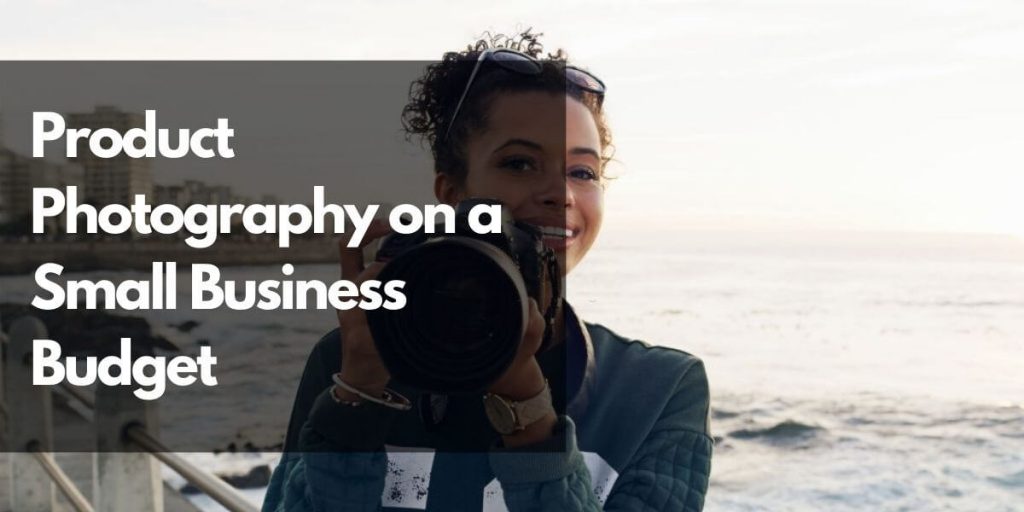
Product Photography on a Small Business Budget

Product Photography on a Small Business Budget

The standard of your brand is judged by the quality of the images you portray to the audience. Often misunderstood by many small business holders is that it will require an expensive setup for achieving an industry-standard photoshoot. But that’s not true. There are always alternatives to expensive equipment that could be utilized to achieve professional-looking product photoshoots. In addition to that photo editing techniques could be used to further enhance the images.

We have written this article as a guide to help small businesses achieve professional product photography on a budget. Hopefully this article will help you generate more sales for your business.

Low Budget Product Photography Setup

You could use a smartphone or a point & shoot camera, but buying a DSLR won’t add up much cost. You will be able to find decent DSLRs at very cheap prices. Smartphone cameras are great but the only reason you should avoid it is because of their controllability. Mobile cameras are very limited in terms of how you can take photos whereas a professional camera will allow you to shoot completely in manual.

Select a Proper Camera

Choose either a DSLR or a Mirrorless. The functionality of both are the same the difference is in its build. If you are getting a mirrorless, purchase extra batteries with it. The main benefit of these cameras is that they are more compact than DSLR.

Lens for Product Photography

To save more money you could definitely use the kit lenses provided to you while purchasing the camera. It will take decent shots. But to be more professional try buying separate lenses.
Telephoto Zoom lenses and Prime lenses are a popular choice for product photography. Avoid using a wide-angle lens it can distort the shape of your product. A wide-angle lens is suitable for something like landscape or wildlife photography.

Invest on a Tripod

Tripods are something beginners tend to avoid but professionals recommend to use. Tripods can be found at very cheap prices. It won’t add much to your cost but will produce really outstanding value to the photoshoot.

Instead of manually adjusting the height of the camera angle by using a tripod you can set a fixed height and shooting angle. This ensures visual consistency throughout the shoot. The camera also tends to shake if you are holding it in your hands. A tripod will ensure that the camera stays steady and avoid any kind of blurriness from the photo.

White Background for Product Photography

White backgrounds are an industry-standard option for product photography. And there are a lot of reasons for it. White background creates consistency. It helps to put the product into focus and if done properly can also help to promote brand awareness.

Use lightbox

You can either purchase a lightbox from sites like Amazon or make one yourself. Lightboxes are very cheap, so instead of making it, buying one will be more appropriate. It will be stable and properly built. But if you are into DIY then you can take a cardboard box and cut off three sides leaving about a 1-inch border. Then use white paper for achieving proper white background.

Paper or Cloth Sweep

Using a paper or cloth sweep will be the cheapest option. With the help of some editing along with it, you can achieve results that look exactly the same as if you’ve done in a studio.

You can place a table against a wall and tape the sweep on the wall. Make sure the sweep falls seamlessly, there shouldn’t be any creases, otherwise, it would show up in the photo.

Lighting Setup for Product Photography

Photos won’t look professional if the lighting is not even. Your prime focus should be to make sure that the lights are evenly lit across the product. The benefit of this is that it captures the accurate colors of the product.

Types of Lighting

There are two main types of lighting. That is Artificial Lighting and Natural lighting. If you intend to sell products on sites like Amazon then avoid natural lighting. You can definitely make use of natural light, but the problem is that you can’t control its flow. There will be uneven shades of light and shadow. It also tends to change the colors. So using artificial lights will be preferable.

Choosing the proper light setup

The two popular lighting systems are continuous lighting and studio strobe lighting. It is best to use continuous lighting if you are new to photography, whereas, for professionals, a studio strobe might be a good choice.

The learning curve for continuous lighting is very simple. As its name suggests, it illuminates a consistent continuous light into the frame. So, photographers can visualize exactly how the output will be. Lights can be exactly adjusted to output the desired level of light intensity.

The three major types of continuous lights are fluorescent, tungsten and LED. Fluorescent bulbs do not overheat so these are easily found in studio lighting setups.

In general, studio strobes are mostly used by professionals, due to its complexity of use. And it is also quite expensive than continuous lighting. So for beginners it is recommended to use continuous lighting setups.

Getting inspiration from others

Looking at other people’s work can possibly give you interesting ideas that you might never have thought of before.

Getting inspiration is very easy. Just look for your topic online and you will be greeted with a plethora of useful ideas to try out. If you can, it would be best to talk to someone who is already in this profession. Try to learn a few useful tips and get suggestions that would be beneficial for you.

Editing your photos

Editing is the last and final step before finally using photos commercially. Doesn’t matter how carefully the photo is taken, it won’t be perfect. You will need at least some sort of editing to make your picture look perfect.

Start off by adjusting the exposure and distortion of the picture. Then depending on the complexity of the image more adjustments might be required. Most probably you will need a white background if you want to sell your products on sites like Amazon. To save costs most small businesses outsource their photos. It saves both time and money that would be needed to manage and hire an in-house design team. We offer background removal service you can get bulk service packages at a cheap price.

Conclusion

Product photography doesn’t need to be expensive. It used to be the case that you would require expensive cameras and set up for doing professional photography. But now, thanks to the rising demand, the prices have gone down a lot. And always remember to plan before the shoot regarding the management and equipment setup to avoid any sort of inconvenience. But it will take time and practice to expertise in product photography.

Best setting for car photography – Fix The Retouch

Best setting for car photography – Fix The Retouch

Introduction

Car photography is quite different from other types of photography. This genre requires a special kind of setting as well. For standing cars, the settings will be of one type while moving car photography settings is quite different. Though car photo editing has improved a lot, the settings of cameras in car photography are still thriving. The camera settings will define how your photos will be. So, you must work on your camera settings.

It’s not as easy as pointing and shooting – there are a few things you need to keep in mind if you want your photos to look good. In this blog post, we will discuss the best settings for car photography. In this blog post, we will discuss the best settings for car photography. We’ll give you tips on how to capture the beauty of cars, whether they are parked or in motion!

Location

The first thing you need to consider when taking car photos is the location. Where will you be taking the photo? If you’re shooting in a studio then you have more control over the lighting and background. However, if you’re shooting on location then you need to be mindful of your surroundings. Make sure there are no distracting elements in the background and that the lighting is flattering to the car.

Lighting

Lighting is one of the most important aspects of car photography. The right lighting can make a car look amazing. while bad lighting can make it look dull and uninteresting. If you’re shooting on location, try to position the car so that the sun is behind you or use artificial light to illuminate the car.

If you’re shooting in a studio, you have more control over the lighting. You can use strobes or continuous light to get the look you want.

No matter where you’re shooting, be sure to experiment with different lighting setups to see what looks best.

Camera settings

Once you’ve found the perfect location and lighting, it’s time to start thinking about your camera settings. If you’re shooting in manual mode, there are a few things you need to keep in mind. First, adjust your shutter speed so that the car is nicely exposed. A good rule of thumb is to use a shutter speed of at least one-hundredth of a second when shooting cars. This will help to freeze any movement and prevent blur.

Next, set your aperture. A lower aperture will give you a shallow depth of field which is great for isolating the car from the background. However, if you’re shooting in low light, you may need to use a higher aperture to let in more light.

  • ISO

Determining the settings of ISO is one of the most difficult tasks. Perhaps this is the most important setup as well. It immediately increases the amount of light captured by the sensor of the camera. It has a direct influence on digital noise. To avoid digital noise, you have to use this setting perfectly. If you are shooting car photos on a gloomy day, then ISO should be higher. The ISO level depends on the amount of light available in the place you are shooting.

  • Mode

The camera mode should be in drive mode while taking car photos. The program camera mode or P mode will help you to take stunning photos of cars in motion. It will set the camera focus to automatic mode which is very important for shooting car photos. However, you also need to have manual control over the mode setting of the camera. To control the shutter speed and aperture, you should learn more about the mode. You can change the camera mode using the main camera wheel or the dial.

  • File Format

If you are shooting photos professionally you should always choose the RAW file format. It is best for editing. No matter how good your photography is, you have to do some post-processing. You have to take the help of a car photo editing service to improve. So, it’s better if you take your photos in RAW format.

  • Focus point

You can use the aperture setting (f/2.8) to focus on the detail. A car consists of different parts. Focus on the details of the whole car body. The viewer should know every detail of the car from the photos. If you find your pictures are blurry or looking darker, then go for a higher ISO. It will make your focus point clear and the photos will be pitch-perfect.

  • Exposure

Exposure means the amount of light you want in your photos. Depending on the availability of natural light you can set your exposure. While shooting cars in the evening, we want to get the gradient of the setting sun in our photos. If you set your exposure right, the car will look stunning in your frame. Otherwise, the background will look okay but the foreground will become darkish.

  • Night mode

Night-time car photo shooting is an amazing idea. In that case, you should turn on the night mode. It helps you to remove the blue light coming out of your screen. As a result, you get the best output. Aperture is an important benefactor of night mode. Set the aperture at f/8 and f/11. This will give you the best result as far as night-time photo shooting is concerned.

  • Motion shot settings

Motion shot means shooting car photos while the car is moving. When you are shooting a moving car, it’s better you keep the autofocus on. This will help you to keep the car body clear. Otherwise, you may have to move your body from here to there to get the perfect shot. Well, you can also do this using a moving tripod.

  • Shutter Speed

Shutter speed is highly connected with exposure. It is highly recommended for the photographer to keep the shutter speed high so that the camera can capture the maximum amount of light. To create photos that are free from the effect of shakiness. In motion pictures, shutter speed is the most important aspect. Set the shutter speed according to your need from the shutter speed dial.

  • Color Balance White Balance

Balancing the color of your photo should be done before you start shooting. Depending on the color temperature the cameras offer some preset modes. You can set the white balance functionality through automatic WB. Though most cameras come up with a default white balancing system, you can set it manually as per your need. To maximize the color accuracy there is no better way than manual white balancing technique. The settings may vary from camera to camera.

  • Image Stabilization

For shooting car photos, this function or setting is highly recommended. When you are shooting by moving from here to there, it’s better you keep the image stabilization on. It will keep your images from becoming blurry. This mode becomes important when you are shooting on a tripod. Also, this setting allows the photographer to shoot handheld slower shutter speed. You can change the setting from the camera menu or if you have a lens then change the settings from the lens body.

  • Take Static Photos

While shooting car photos, you should try static photos at the beginning. It is easier to shoot a parked car than to shoot a moving car. In that case, play with the depth of the field. To take a perfect photo of a parked car, use a wide aperture. It can be (f/5 or less). Well, it depends on your purpose. If you want to show the interesting environment of the car surrounding, then keep the focus on both the background and foreground. If your intention is to keep the car in focus, then control the depth of the field.

Composition

Once you have your camera settings sorted out, it’s time to start thinking about composition. When composing your shots, be sure to pay attention to the rule of thirds. This is a simple compositional rule that states that objects should be positioned one-third from the edge of the frame.

When taking car photos, this means that the car should be placed one-third from the side or top of the frame. This will help to create a balanced and pleasing composition.

Another thing to keep in mind when composing your shots is leading lines. Leading lines are lines that lead the eye into the frame. When taking car photos, you can use the car’s headlights, taillights, or even the lines on the road to creating leading lines.

By using leading lines, you can guide the viewer’s eye into the frame and towards the car.

If you keep these compositional tips in mind, you’ll be well on your way to taking great car photos!

Editing

Once you’ve taken your photos, it’s time to start editing. If you’re shooting in RAW, then you’ll have a lot of flexibility when it comes to editing. You can adjust the exposure, white balance, and other settings to get the perfect look.

If you’re shooting in JPEG, then you’ll still be able to edit your photos, but you won’t have as much flexibility.

Extras

There are a few extra things you can do to take your car photos to the next level. First, try using a polarizing filter. This will help to reduce glare and reflections.

Another thing you can do is to shoot in HDR mode. HDR stands for high dynamic range, and it allows you to capture a wider range of tones in your photos. This is great for taking photos of cars, as it can help to bring out the details in the paint and chrome.

Finally, you can try using a long exposure to capture light trails. This is a great way to add some drama and interest to your car photos.

Conclusion

In a nutshell, The settings of the car will depend on the other factors related to the car photography. You have to plan your camera settings based on the car color, shine, background environment, light, etc. However, there are some universal settings that will always be the same. The camera settings I have talked about above will surely help you as a photographer